Tribes of Israel Lessons on Purpose and Unity
Tribal wisdom from ancient Israel is a blueprint for fostering connection and cultivating purpose-driven communities. This framework teaches that individual strength is magnified when anchored to a specialized group sharing a divine covenant. By integrating diverse talents toward a collective destiny, men move beyond superficial networking to build a resilient, covenant-based reality.
By K.A. Perkins · About me · Author profile ·
How this article was made: drafted with AI writing tools from the Tribal Challenge curriculum and published under the editorial direction of K.A. Perkins. Scripture references should be read in context.
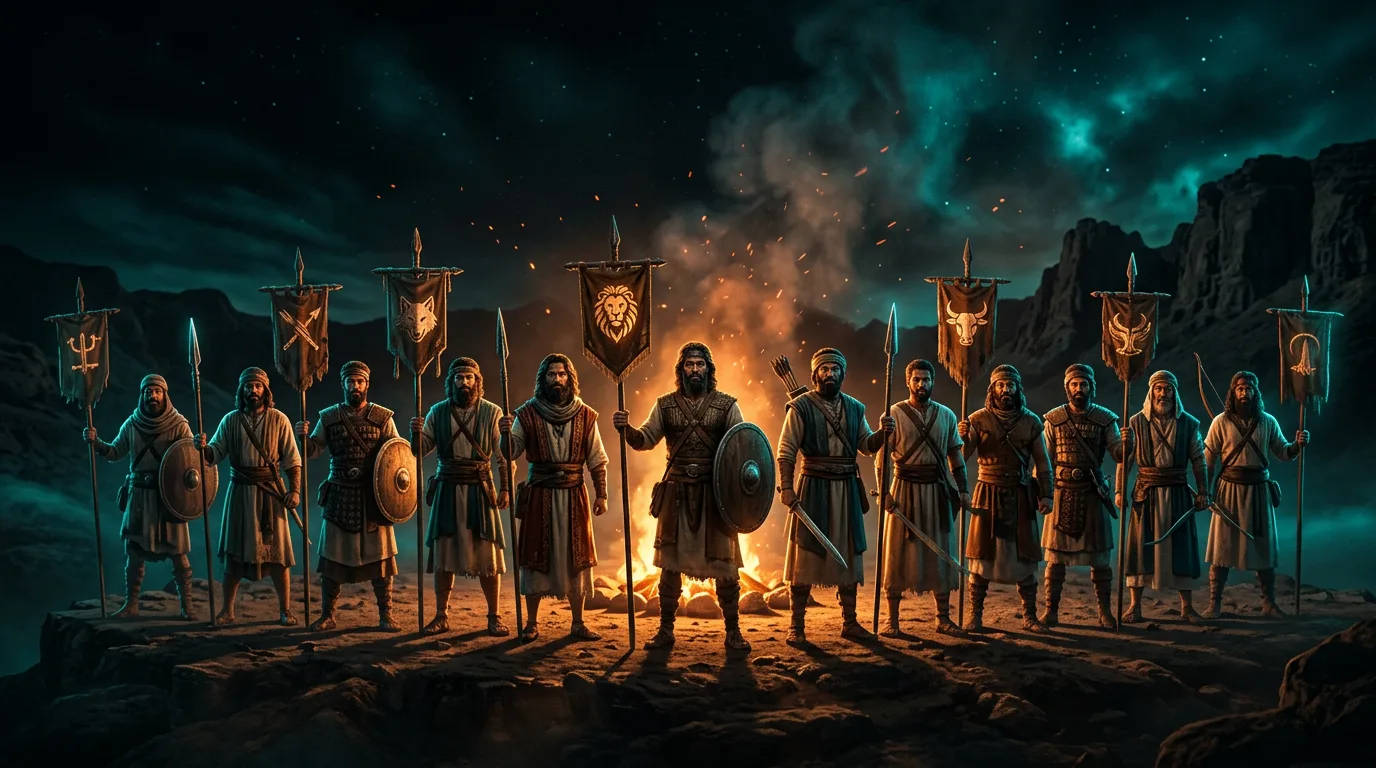
How do the tribes of Israel demonstrate unity and purpose?
In a world often characterized by division, isolation, and fleeting goals, the ancient tribes of Israel offer a timeless blueprint for fostering profound connection and cultivating a purpose-driven community. At Avodah Dynamics, we believe that true leadership isn't just about individual achievement or personal accolades; it's about building a collective spirit that propels every man towards a shared, meaningful vision. This is the essence of what we explore in the Tribal Challenge: the realization that you were never meant to walk the path of discipline alone.
When we examine the biblical narrative, we see that the structure of Israel was not a monolithic block but a sophisticated network of specialized groups. These groups understood a fundamental truth that many modern men have forgotten: your strength is magnified when it is anchored to a Tribe. By exploring what the tribes of Israel teach about brotherhood and purpose, we can begin to reconstruct the fractured social and spiritual foundations of our own lives. We are moving beyond the superficial "networking" of the modern age and stepping into the covenant-based reality of nomadic warriors and spiritual pillars.
The Foundations of Brotherhood: Unity Amidst Diversity in the Tribes of Israel
The twelve tribes of Israel, each with its unique identity, lineage, and specific blessings, nonetheless formed a cohesive nation united under a singular divine covenant. This wasn't a superficial unity based on convenience; it was a deeply ingrained connection reinforced by shared history, common struggles, and a collective destiny. When Jacob blessed his sons in Genesis 49, he didn't give them a generic, one-size-fits-all prophetic word. He spoke to their specific natures—Judah as the lion, Zebulun by the haven of the sea, Issachar as the strong donkey.
Imagine the power of a community where individual strengths are celebrated and integrated, rather than competing for dominance. This dynamic is a cornerstone of the Avodah Dynamics philosophy, emphasizing that diverse talents, when harnessed together, create an unstoppable force. The tribes demonstrated that true brotherhood isn't about uniformity or erasing your personality to fit a mold; it is about a shared commitment to a higher calling that transcends individual differences. In the Tribal Challenge, we don't ask you to be like the man next to you; we ask you to be the strongest version of yourself for the sake of the man next to you.
Practical Steps to Cultivate Tribal Brotherhood Today:
- Identify Your Shared Covenant: What is the overarching purpose that unites your team, family, or community? Clearly articulating and regularly reaffirming this shared vision is critical for long-term survival.
- Embrace and Leverage Diversity: Recognize that a Tribe needs both the fierce warrior and the meticulous administrator. How can these differences contribute to the collective good rather than causing friction?
- Foster Interdependence: Create systems where men must rely on one another. Independence is a secular myth; interdependence is a biblical reality. Like the tribes marching through the wilderness, every man must know his position in the formation.
Purpose-Driven Community: More Than Just a Goal, It’s a Calling
Each tribe of Israel had a specific inheritance, a designated territory, and often a unique role within the larger nation. The Levites handled the spiritual atmosphere, while other tribes focused on commerce, agriculture, or frontline warfare. Yet, their individual purposes were always subservient to the grander, collective purpose of serving God and representing His covenant to the world. They understood that an "inheritance" wasn't just land—it was a responsibility to the future.
This profound understanding of a purpose-driven community is what distinguishes a mere group from a true Tribe. It’s about recognizing that your individual efforts in fitness, prayer, and work contribute to something far greater than your own ego. For those ready to experience this transformative power firsthand, the Tribal Challenge offers a unique opportunity to immerse yourself in a purpose-driven environment, pushing your boundaries and forging unbreakable bonds. When you are "locked-in" with a Tribe, your failures aren't just your own, but neither are your victories. You carry the weight of the community, and that weight is what builds the muscle of character.
Leadership Principles from Ancient Israel for Modern Purpose:
- Clarity of Vision: Just as Moses received clear directives for the Tabernacle and the march, modern leaders must articulate a compelling and unambiguous vision. If the Tribe doesn't know where the Ark is moving, they will scatter.
- Delegation with Trust: The tribal elders and judges played crucial roles, demonstrating the power of delegating authority. You cannot micromanage a Tribe; you must empower men of character to lead their own households and sectors.
- Accountability and Covenant Keeping: The very foundation of the Israelite nation was built on promises. In our modern context, this means keeping your word even when it hurts. "Let your 'Yes' be 'Yes' and your 'No,' 'No'" (Matthew 5:37).
How do the tribes of Israel balance physical strength and spiritual consecration?
One of the most vital things what the tribes of Israel teach about brotherhood and purpose is the integration of the physical and the spiritual. We often see the tribes as either just a military force or just a religious gathering. In reality, they were both. The Tribe of Dan was known for its "judgment" and strength, yet they were anchored by the Tabernacle at the center of their camp. This "Warrior Priest" archetype is what we strive for in our 100-day discipline protocols.
A man without a Tribe is vulnerable to the wolves of apathy and vice. A Tribe without a spiritual center is just a social club. The ancient Israelites organized their entire camp around the Presence of God. Every morning, when a man stepped out of his tent, he saw the smoke and fire of the Tabernacle. His purpose was aligned with the Divine. When we talk about discipline—waking up early, cold plunges, intense study, and prayer—we aren't doing it to look good on social media. We are doing it to ensure that our "tents" are in alignment with the King. This level of consecration requires a brotherhood that will hold the line when you feel like retreating.
Common Mistakes to Avoid
In our pursuit of building a Tribe, many men fall into traps that mirror the failures of the Israelites in the wilderness. To avoid these, we must be vigilant and disciplined.
- The Spirit of Complaining (The Murmuring Trap): The tribes often lost their way when they began to grumble against their leaders and their lot. A Tribe thrives on solutions, not complaints. If you have a problem, bring a shovel and start digging, don’t just point at the dirt.
- Isolationism Within the Group: Sometimes a specific "tribe" or faction tries to separate itself from the whole. In a modern community, this looks like forming cliques that exclude others. True brotherhood requires an open heart toward every member of the Tribe.
- Forgetting the "Why": The Israelites often forgot the miracles of the past. We must constantly remind ourselves of why we are undergoing the 100 days of discipline. Without the "Why," the "How" becomes an unbearable burden.
- Compromising the Standards: When the tribes allowed the cultures around them to dictate their values, they lost their power. Your Tribe must have high barriers to entry and even higher standards for staying. Do not lower the bar to accommodate the lukewarm.
How to Apply This Today
Transposing ancient tribal wisdom into the 21st century requires more than just reading the text; it requires immediate, decisive action. Here is how you can begin to live out these principles within the context of the Tribal Challenge and your daily life:
- Audit Your Current Circle: Look at the men you spend the most time with. Do they function as a Tribe? Do they hold you to a higher standard of "Avodah" (work/worship)? If not, it is time to seek out a Community that values discipline and faith.
- Define Your "Territory": What area of life has God given you to steward? Is it your business, your family, or a specific ministry? Treat that territory with the same ferocity that the Tribe of Caleb treated their inheritance. Claim it, cultivate it, and protect it.
- Establish a "Morning Muster": The tribes moved together. Start your day with a ritual that connects you to your purpose and your brothers. Whether it’s a group chat check-in or a shared prayer time, do not start the battle alone.
- Commit to the 100-Day Standard: The tribes spent 40 years in the wilderness to burn away the slave mindset of Egypt. You can commit 100 days to burn away the soft, undisciplined habits of modern culture. Join a "cohort" and refuse to quit.
Overcoming Challenges: Resilience Through Unity and Faith
The journey of the tribes of Israel was not without its trials—wilderness wanderings, fierce battles against the Anakim, and periods of agonizing doubt. Yet, their ability to navigate these adversities often stemmed from their collective strength and their unwavering faith in the Covenant. This resilience is an invaluable lesson for any modern group facing obstacles. When you are part of a Tribe, your internal reserves are bolstered by the faith of the man standing to your left and your right.
As scripture reminds us in Ecclesiastes 4:12, "Though one may be overpowered, two can defend themselves. A cord of three strands is not quickly broken." This is the practical application of tribal living. When one man stumbles in his discipline, the Tribe gathers to lift him up. When one man sees a breakthrough, the entire Tribe learns from his victory. This is how we build resilience in the Avodah Dynamics ecosystem—by ensuring that no man is a lone target for the enemy.
Building Resilience in Your Community:
- Cultivate Authentic Relationships: Invest time in the "trenches." Shared suffering (like a 5 AM workout) creates a bond that a coffee shop meeting never will.
- Practice Collective Problem-Solving: When a brother faces a business or family crisis, the Tribe should offer wisdom and resources. Drawing on diverse perspectives leads to faster victories.
- Reinforce Shared Values: Regularly revisit the "Ancient Paths." Remind each other of the non-negotiables: Integrity, Discipline, Faith, and Strength.
The Transformational Power of a Tribal Mindset
The lessons from the tribes of Israel are not confined to the pages of ancient history; they are vibrant, actionable principles for any man seeking to build a more meaningful and impactful life. By embracing the spirit of brotherhood and committing to a shared, divine purpose, we move beyond the "self-help" cycle and into a "Tribe-help" reality. It’s about stepping into a legacy of courage and unwavering faith—qualities that the Tribal Challenge is specifically designed to ignite within you.
At Avodah Dynamics, we are dedicated to helping individuals unlock their full potential by fostering environments of disciplined leadership and purpose-driven action. We do not offer a quick fix; we offer a transformation through community. We provide the structure, the accountability, and the biblical foundation, but you must provide the will to show up for your brothers.
The world is waiting for men who understand their place in the Tribe. They are waiting for leaders who don't just talk about purpose but live it out through every rep, every prayer, and every disciplined choice. Your inheritance is waiting, but it must be taken alongside your brothers. Stop trying to win a war by yourself when you were built to march with a Nation.
Are you ready to stop wandering in the wilderness of modern passivity and start claiming your inheritance? The path of the warrior-priest is demanding, but the rewards are eternal. Join a collective of men who refuse to settle for mediocrity and are committed to the highest standards of Christian discipline. Forge unbreakable bonds, sharpen your spirit, and lead your family with newfound authority. Your Tribe is ready—the only question is, are you ready to join the ranks? Take the first step toward your true calling and sign up for the Tribal Challenge today.
Which scripture passages does this article reference?
Read these passages in context. Devotional applications are interpretations, not medical advice or promises of results.